
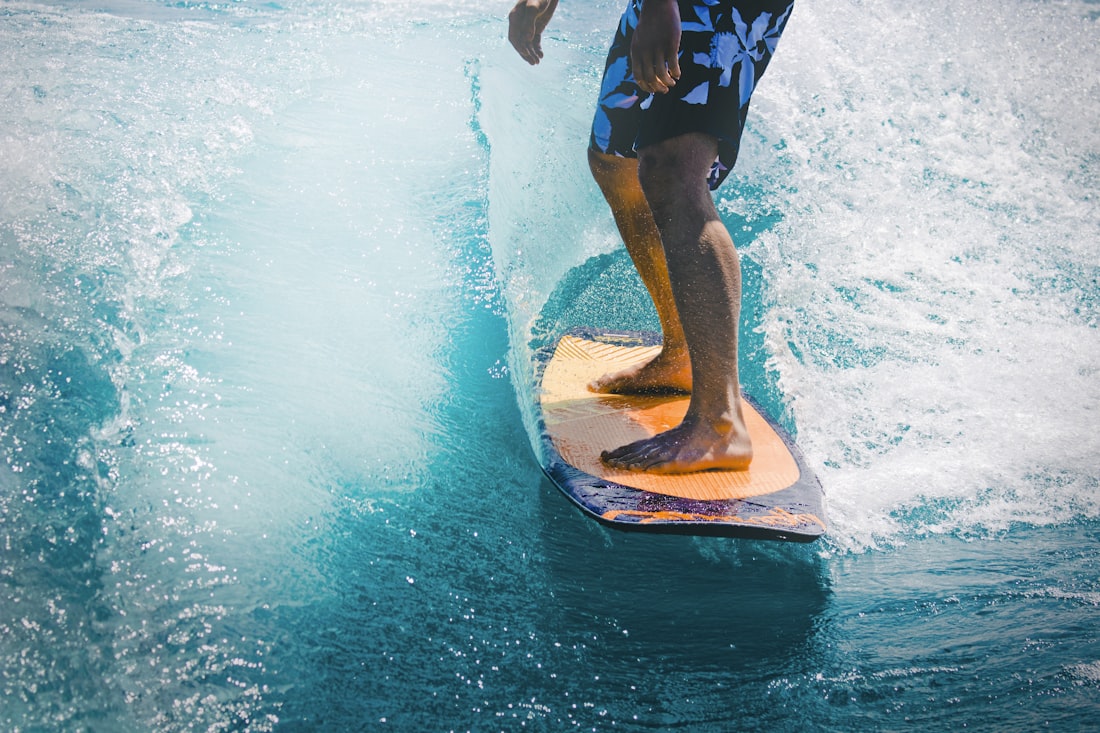
The best surf in San Diego depends on your level: beginners should point toward gentle, forgiving beach breaks like Tourmaline Surfing Park in Pacific Beach or Cardiff Reef in Encinitas, while confident surfers can chase the heavier, faster waves at Black's Beach below the La Jolla bluffs. Match the spot to your ability, paddle out early before the wind fills in, and you will have a very good morning.
Where should beginners surf in San Diego?
New surfers want soft, rolling waves, a sandy bottom and a relaxed crowd. A few classic first-timer spots deliver exactly that.
- Tourmaline Surfing Park in Pacific Beach is a longboard-friendly point with a mellow, forgiving wave and a dedicated surf-only zone, which keeps swimmers out of your way.
- Cardiff Reef in Encinitas serves up long, gentle walls that are perfect for learning to trim and turn, with an easygoing north-county vibe.
- Mission Beach and Pacific Beach proper have wide, sandy beach breaks that are easy to walk out into on smaller days.
On a small, clean morning any of these will feel manageable. If the surf report is calling for anything overhead, save it for another day.
Where do stronger and advanced surfers go?
When the swell picks up, San Diego rewards experience. Black's Beach, tucked below the towering La Jolla bluffs near the Torrey Pines gliderport, is the region's marquee break: a powerful, fast beach break fed by an offshore canyon that can produce serious, hollow waves. The catch is a steep, tiring hike down the cliff trail and strong currents, so it is strictly for confident surfers and swimmers.
Reef spots up and down the coast, from La Jolla's rocky points to north-county reefs, also turn on with the right swell direction and tide. If you are unsure whether conditions are within your comfort zone, watch the lineup for fifteen minutes before you paddle out.
Local tip
Check a surf forecast the night before and again at dawn. Swell size, wind and tide all move quickly here, and a spot that was glassy at sunrise can turn choppy and unfriendly by mid-morning.
Where can you rent a board or take a lesson?
You do not need to travel with a board. Surf shops cluster along the boardwalks in Pacific Beach and Mission Beach and throughout the beach towns of north county, and most rent soft-top boards and wetsuits by the hour or day. Many also run group and private lessons that include gear, which is the fastest, safest way for a first-timer to stand up.
Book a lesson at a designated beginner beach rather than a reef, confirm current hours and pricing directly with the shop, and ask the instructor which nearby break suits the day's conditions. Our concierge team can point you toward reputable local outfitters near your stay.
What is basic surf etiquette in the lineup?
Every local break runs on the same unwritten rules. Respecting them keeps you safe and welcome.
- One surfer per wave. The person closest to the breaking part (the peak) has priority. Do not drop in on someone already riding.
- Do not paddle straight through the lineup. Paddle out around the shoulder, not through the middle where people are riding.
- Hold onto your board. Never ditch it near others, especially in a crowd.
- Wait your turn and share. Be patient, take your set, and let others have theirs.
When is the best time and tide to paddle out?
Early morning is almost always best. Winds are typically lightest at dawn, which keeps the water smooth and clean before the afternoon onshore breeze roughens things up. Beginner beach breaks generally work well around a mid tide, while some reefs and points prefer a specific tide window, so a quick look at the tide chart helps.
San Diego is a genuinely year-round surf destination. A good wetsuit makes the cooler water of winter and spring comfortable, and those months often bring the most consistent swell. Summer mornings are warmer and mellower, which suits learners.
How do you stay safe, and what about the marine layer?
A thick coastal fog known as the marine layer often blankets the coast on late spring and summer mornings, sometimes called May Gray or June Gloom. It usually burns off by midday, but it can cut visibility at dawn, so give yourself extra awareness in the water and note landmarks on the beach before you paddle out.
Beyond the fog, respect rip currents, swim and surf near a staffed lifeguard tower when you can, know your limits, and never surf a spot that is clearly beyond your ability. If you are bringing kids along for a beach day around your session, our guide to family-friendly San Diego beyond the big parks has calm-water ideas.
Local tip
Rip currents pull you out, not under. If you get caught in one, stay calm, do not fight it head-on, and paddle or swim parallel to the beach until you are free of the pull, then head in.
Quick answers
Where is the best beginner surf spot in San Diego?
Tourmaline Surfing Park in Pacific Beach and Cardiff Reef in Encinitas are the classic beginner-friendly picks, with mellow, forgiving waves and surf-oriented zones.
Is Black's Beach good for beginners?
No. Black's is a powerful, fast break with strong currents and a steep cliff hike down, best left to confident, experienced surfers and swimmers.
What time of day is best to surf here?
Early morning, when winds are lightest and the water is cleanest, usually before the afternoon onshore breeze picks up.
Do you need a wetsuit to surf in San Diego?
Most of the year, yes. A wetsuit keeps you comfortable in cooler water, especially from late fall through spring; summer is the warmest stretch.
Make it a San Diego trip.
Browse Cardo's vacation homes across San Diego, thoughtfully designed, spotless, and right where you want to be, from La Jolla to Coronado. Book direct and reach a local team 24/7.
Find your San Diego stay